The threat of a good idea


A partnership interrupted
On 20 August 2024, we received devastating news: our Nicaraguan partner CEPAD was one of 1,500 NGOs whose licences were revoked without warning by the Nicaraguan government. The decision was part of a wider crackdown to regulate NGOs and churches operating in the country.
CEPAD was ordered to stop all development work immediately. Its assets were frozen — bank accounts, buildings, vehicles. The organisation was told that if it wished to operate in Nicaragua again, it would need to re-register as a new entity once the government’s new legal framework was in place.
The entire staff team was made redundant overnight. Decades of community development work came to an abrupt halt.
Why “the threat of a good idea”?
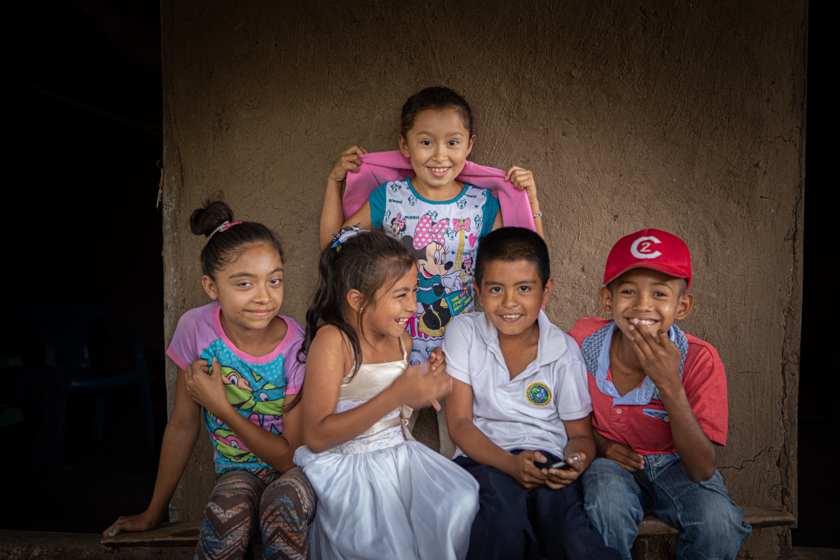
We remain committed to the communities of Nicaragua and to the belief that another world, where justice prevails and every voice is heard, is possible.
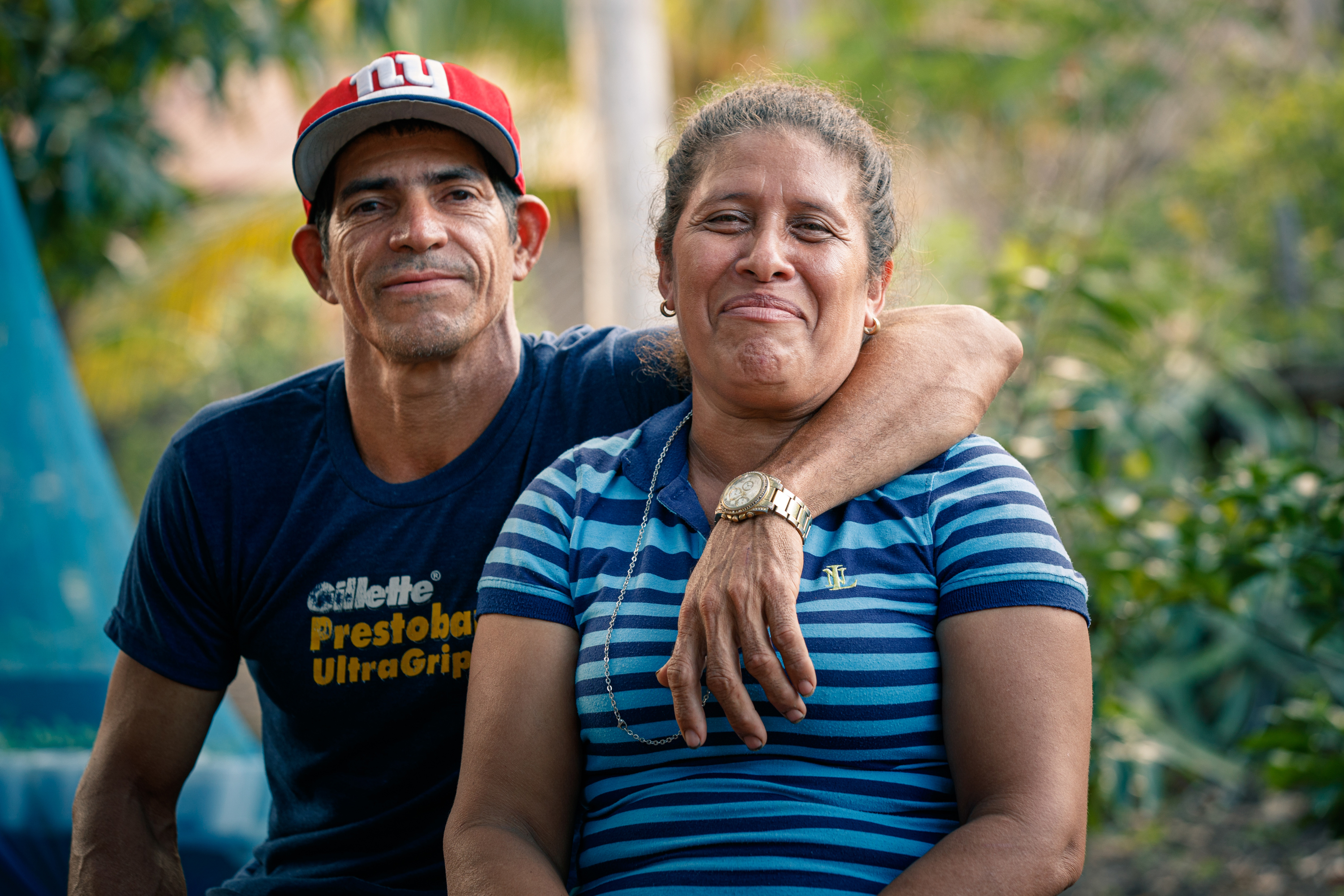
CEPAD’s approach was simple but powerful: trust communities to lead their own development. Provide skills, training and tools — then walk alongside them as they build their own futures. It worked. Over five decades, more than 4,000 communities achieved economic stability, food security and strong local leadership.
In Nicaragua’s current political climate, independent civil society groups are too often seen as potential threats. Forcing organisations to close and re-register allows greater political control over the work they do and where their funding comes from. Despite CEPAD working very closely and successfully with local government, this did not prevent them from being targeted.
Five decades of accompaniment
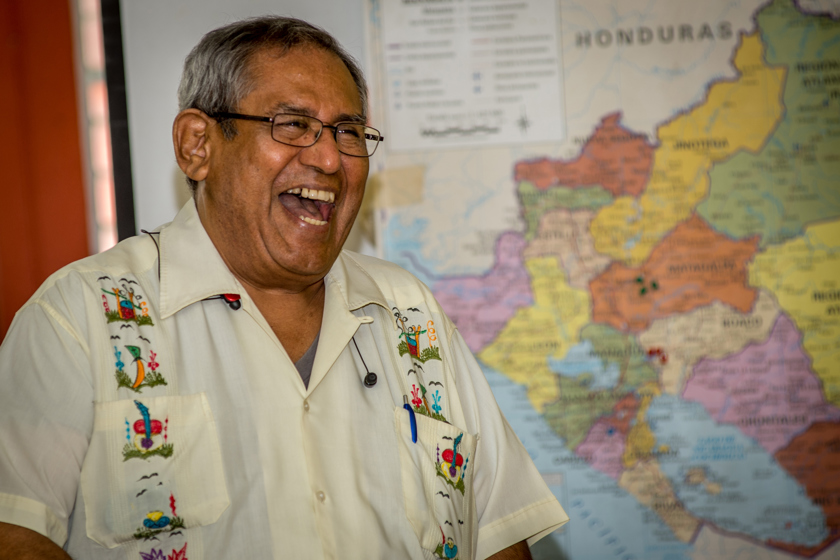
Gilberto Aguirre, the late director of CEPAD in Nicaragua
CEPAD was founded in 1972, just days after a devastating earthquake destroyed Nicaragua’s capital, Managua. From the outset, its mission was to meet urgent needs and support the country’s most impoverished and isolated rural communities.
For 50 years, CEPAD walked alongside communities. Their model was based on accompaniment and empowerment, working in five-year cycles focused on agricultural development, leadership training, education and women’s empowerment.
Every project was shaped by the needs and resources of the local community, ensuring sustainable, long-term success. This wasn’t charity — it was solidarity. CEPAD didn’t impose solutions; they built capacity, transferring skills and knowledge so communities could thrive long after external support ended.
Amos Trust has partnered with CEPAD for over 30 years. For the last 15 years, we’ve been supporting communities in Teustepe, in the dry belt of the Boaco region — one of the areas most affected by climate change. We’ve witnessed first-hand how their approach transforms lives.
The impact of closure
When CEPAD was forced to close, it wasn’t just an organisation that was shut down — it was decades of relationships, trust and community infrastructure. Farmers lost access to training. Women’s groups lost their networks. Local leaders lost support systems they’d built over years.
The communities haven’t disappeared, and their resilience remains. But the loss of CEPAD is a blow — not just to the people they served, but to the broader movement for grassroots, community-led development in Nicaragua.
Moving forward
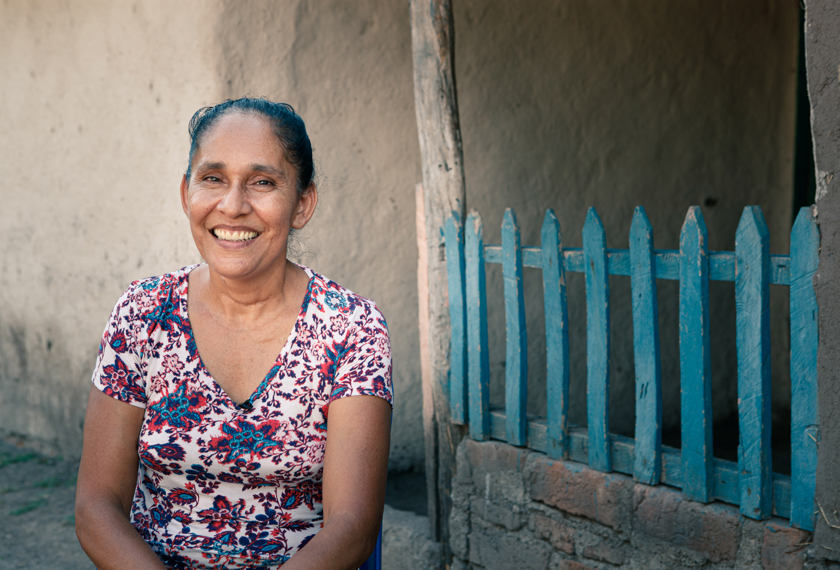
Amos continues to support the communities that we’ve walked alongside for so long
CEPAD is now navigating the re-registration process. Under new legislation, they won’t be able to run the broad-based programmes they once did. They must change their name and restructure as a smaller, women-led organisation. They’ve regained access to some buildings and are continuing efforts to recover their remaining assets.
While this process unfolds, Amos Trust has agreed to provide funding through Prestanica Microcredit, a sister organisation that establishes community banks with groups of rural women who lack collateral for traditional loans. Prestanica provides training, seed funding and ongoing support as these women begin offering microcredit within their communities — creating new opportunities for local leadership and economic resilience.
It’s not the same as what CEPAD was able to do. But it’s a way to continue supporting the communities we’ve walked alongside for so long.
Standing in solidarity
CEPAD’s story is a reminder that the most effective grassroots organisations are often targeted and dismantled by governments that feel threatened by an independent civil society.
But the vision that drove CEPAD — communities leading their own development, women claiming economic power, people building resilience from the ground up — can’t be shut down by decree. That work continues, even when the organisations supporting it are forced to close.
We remain committed to the communities of Nicaragua and to the belief that another world, where justice prevails and every voice is heard, is possible.
Climate Justice resources
Take a look through our range of resources, blog posts and downloads to find out more about our Climate Justice work.


Join our mailing list
Words of hope
Get our emails direct to your Inbox with updates about all our campaigns, trips and events.